
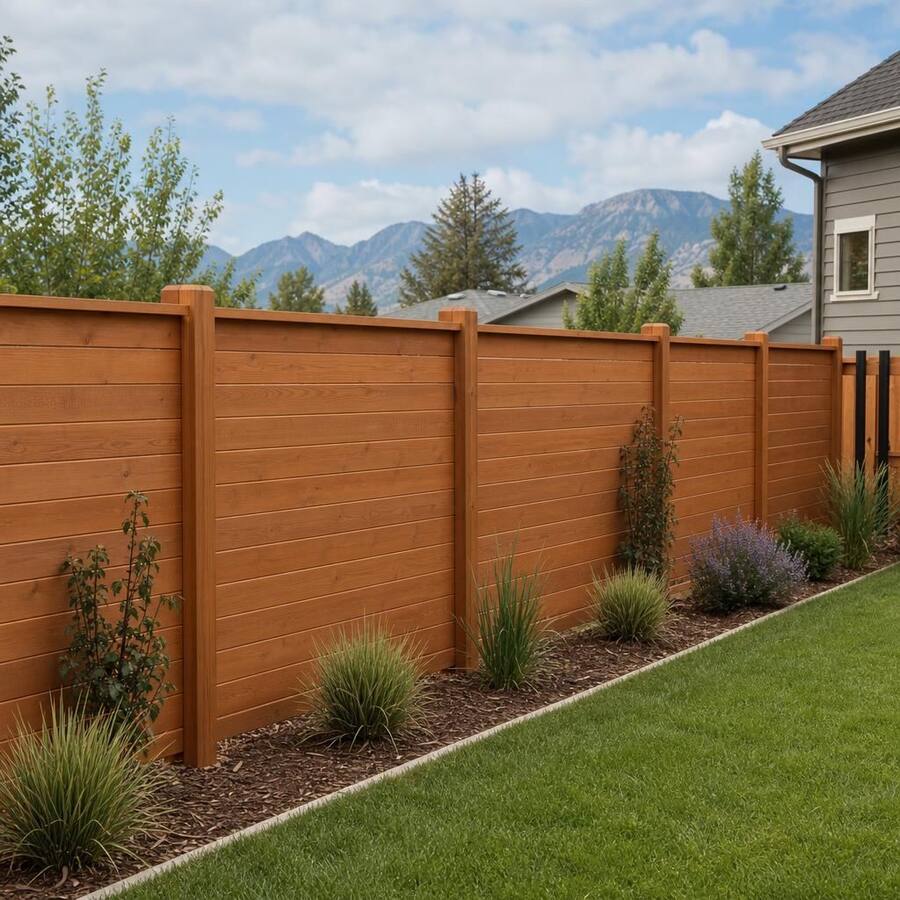
Pressure-Treated Wood Fencing
Pine lumber treated with chemical preservatives to resist rot, insects, and fungal decay.
Overview
Cheaper than cedar, but visually inferior and less dimensionally stable over time.
Advantages
- • Lower initial cost than cedar
- • High resistance to subterranean rot
Limitations
- • High tendency to warp, twist, and shrink as it dries
- • Chemicals can be corrosive to standard fasteners
Pressure-Treated Wood Styles
Every fence we build is customized to your property — these are the most popular styles we install.
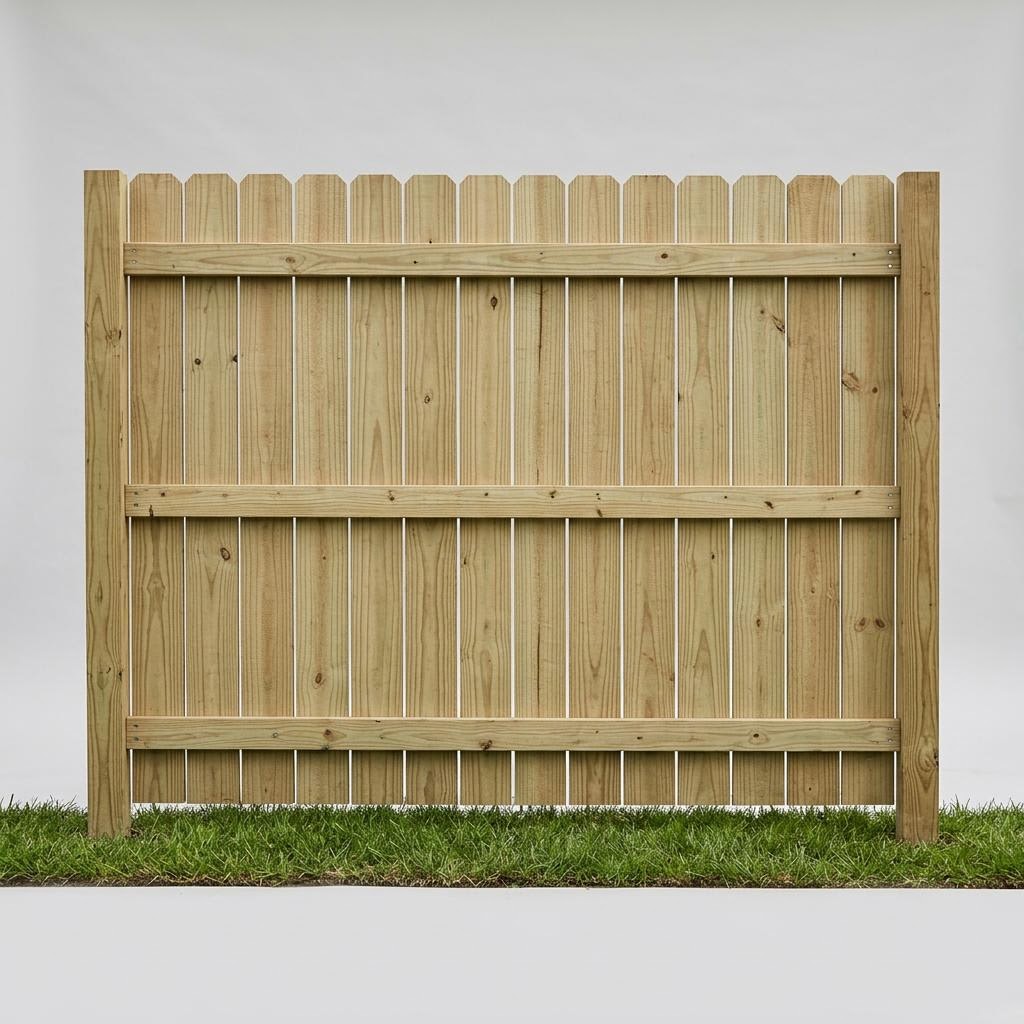
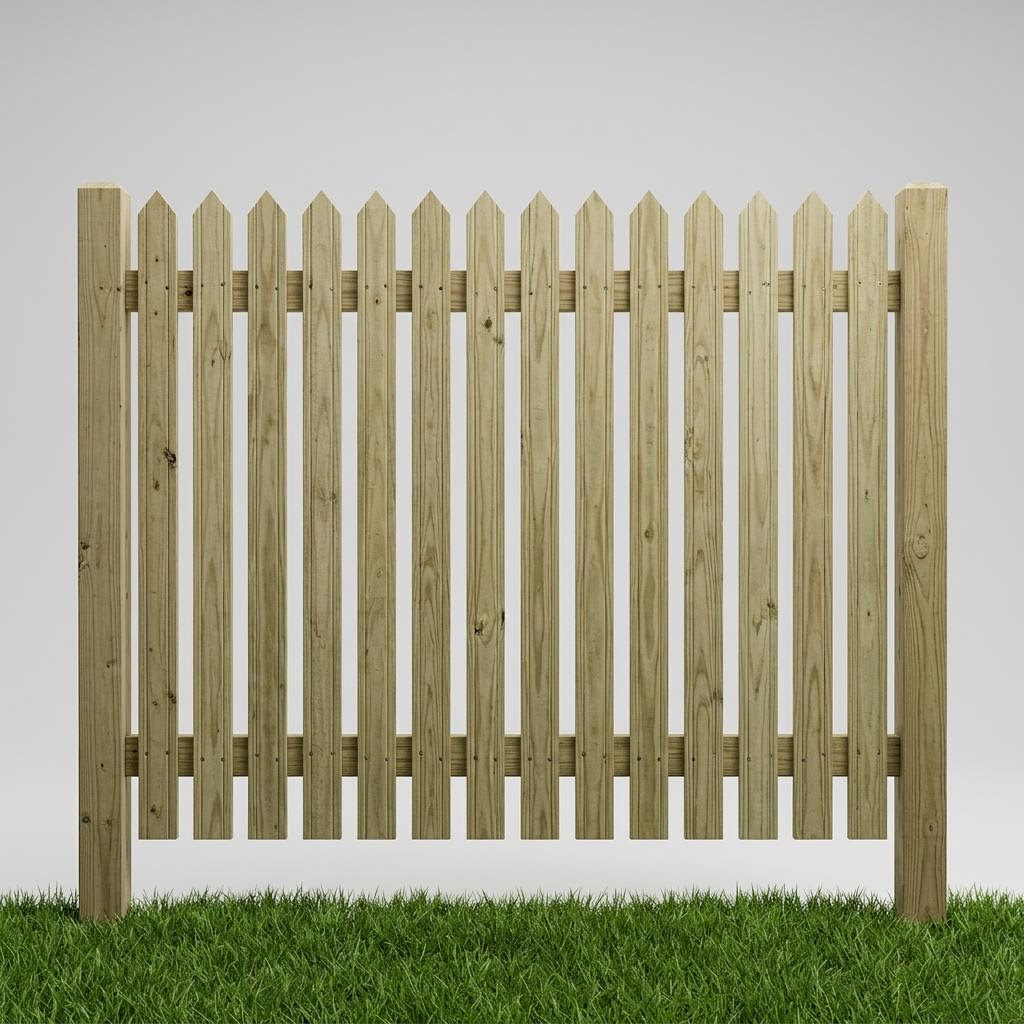
Style illustrations shown for reference.
Colorado Climate Performance
Because pressure-treated wood is infused with liquid, Colorado's arid air pulls that moisture out rapidly, often resulting in severe warping and checking. We generally advise against treated pine pickets in our climate.
Specifications & Details
Installation & Maintenance
Frequently Asked Questions
Why do you recommend cedar over treated pine?
In Colorado's dry climate, pine twists and warps significantly more than cedar as it dries.
Are the chemicals safe?
Modern pressure-treated wood uses safer chemicals than in the past, but we still recommend avoiding direct contact with garden soil where food is grown.
Can I use treated wood for posts and cedar for pickets?
Yes, this is a common and cost-effective hybrid approach to prevent post rot while maintaining a beautiful facade.
Get a Quote
Find out exactly what pressure-treated wood fencing will cost for your property.
Cost Factors: Lumber grade and linear footage.